Tuesday, February 21, 2006

Queen's Domain Cockatoo


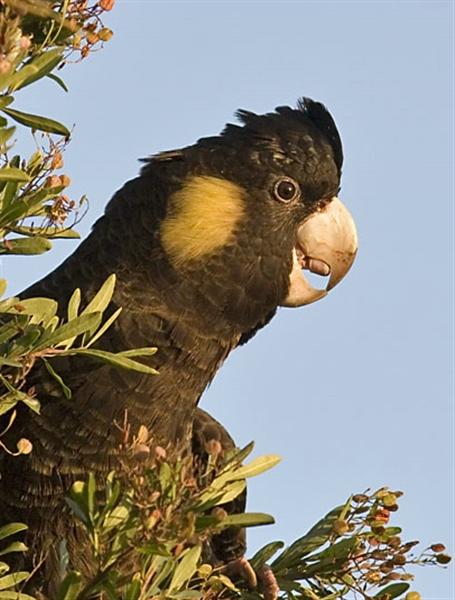
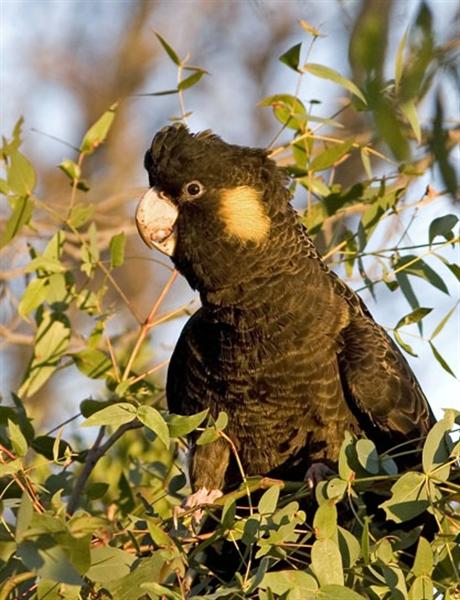
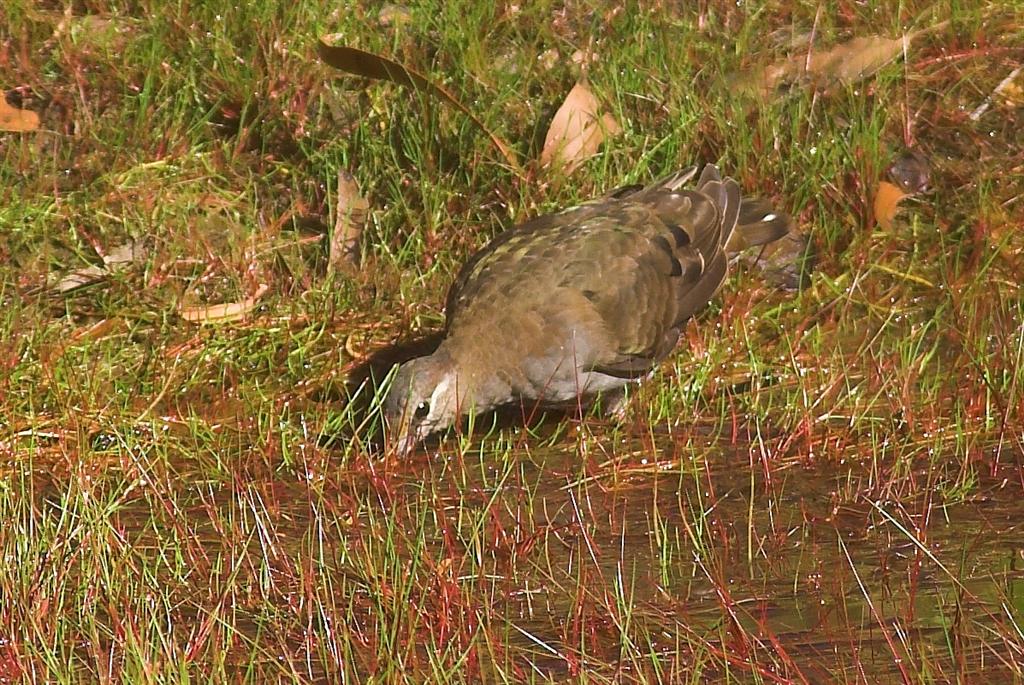
Felix Wilson sent these nice shots of a Yellow-tailed Black Cockatoo, photographed in the early morning sun's rays on the Queen's Domain in Hobart, last Thursday. He comments that this was a
lone bird and that he usually expects to see them in flocks and maybe this was an outcast of some sort. He also mentioned that the Domain is a good spot for Eastern Rosellas, pardalotes and the ever present Noisy Miners.

[The bird pictured is most probably an immature female, but I'll stand to be corrected by someone who has more experience with this species. Certainly, I haven't been aware of the large flocks that were around 15 or more years ago, but they seem to turn up more frequently these days in coastal heath and in the suburbs, including my garden, where they made short work of the cones of one of my Banksia Integrifolia! ed]



Monday, February 20, 2006

Susie Islet

John & Shirley Tongue write: We were out for a days drive and birding on Thursday (16th Feb). As we headed out towards Sorell, we stopped for the obligatory look along the edges of Orielton Lagoon, and were amazed at the number of birds on Susie Islet ( the tiny islet out in the lagoon on the North side of the Midway Point-Sorell Causeway). On closer inspection, not only were we surprised at the number of birds, but by the variety of species, on such a tiny speck of land. There were Silver and Kelp Gulls, Great, Black-faced, Little Black and Little Pied Cormorants, Pelicans, Crested Terns, Chestnut Teal, and Pied Oystercatchers. There were also Great-crested Grebes and Musk Duck working the waters close by. We didn't spot the oft-noted Royal Spoonbill, however. We were left wondering whether there are many spots around Tassie with a higher species density. The accompanying pic. doesn't show any particular bird to best advantage, but does give some idea of the cluster.

[ Worth keeping an eye out for the occasional Pied Cormorant here too--a rarity in Tasmania ed.]

Friday, February 17, 2006

Bluewings Revisited


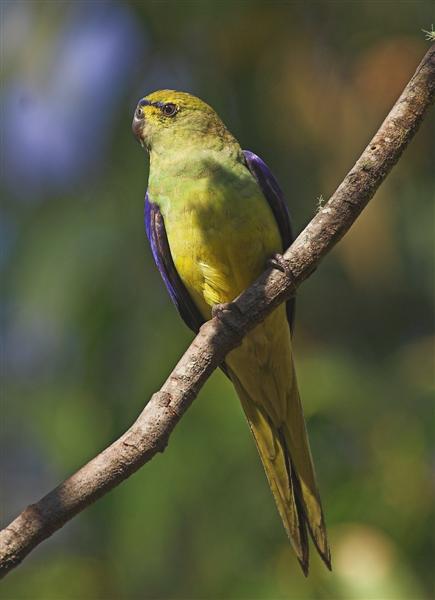
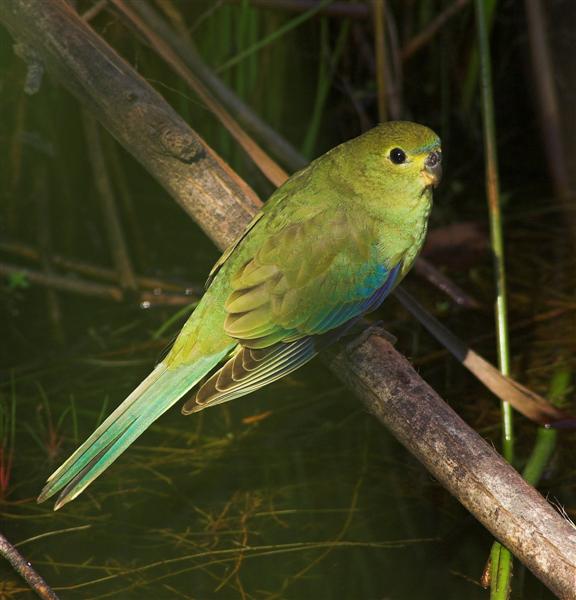
Patience is a virtue so the saying goes and in recent years I can't say it's been one of mine. But this morning I hung in there. As I photographed at the waterhole, I became aware of a Blue-winged Parrot arriving at the top of a 30metre dead tree, high on the bank overlooking the area. I hoped it would come down and drink. After what seemed an eternity, and via a number of other trees it finally made it to the edge of the water about 20 metres away. However in the excitement of the moment, I had failed to notice that just below me (I was standing on the wall of the dam) hidden from view by scrub, was a Green Rosella. It flushed as I repositioned myself, with it's "cusick", "cusick" call reveberating around the hills, it in turn flushed the Bluewing. I wasn't that pleased!!

An hour or so later, after hearing small flocks pass overhead with their "tinkling" call, I noticed one had appeared on the branch only 3 or 4 metres away. I very slowly turned the camera round and took several shots. Shortly after, several others appeared, and warily approached the water. Some to bathe, almost at my feet, although I couldn't see them and others walked to the water and drank. Surprisingly to me, they all bathed and drank singly and not in a flock. In ten minutes it was all over. That was enough excitement for one day for me too!

Thursday, February 16, 2006

Bronzewing Strategy

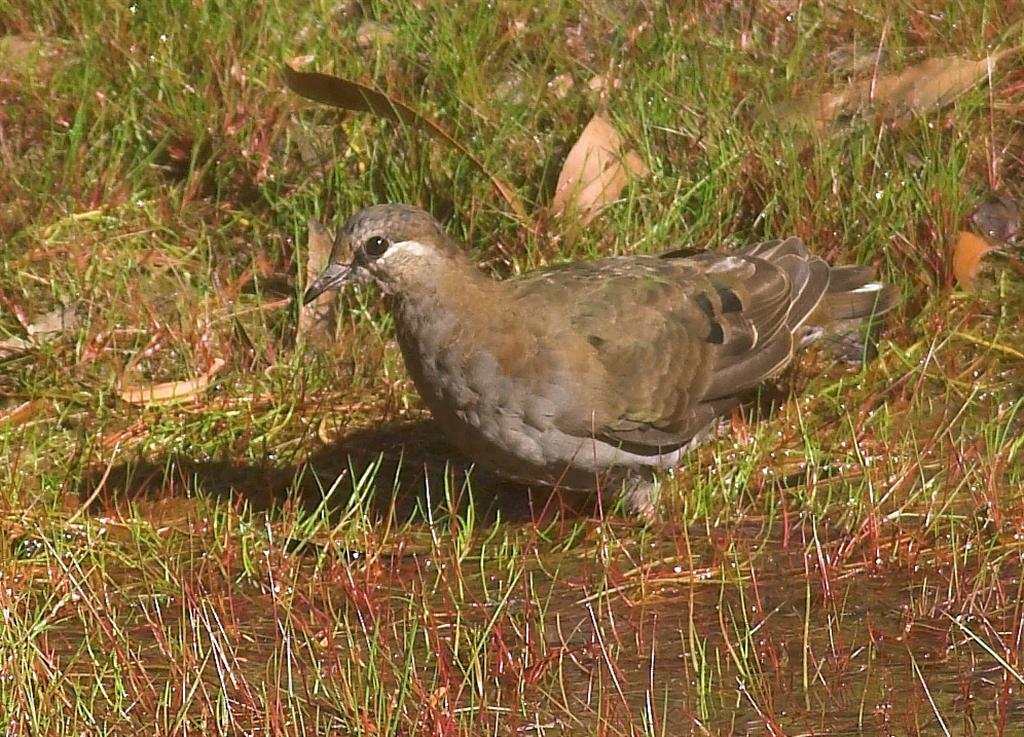
Spent an hour or so at 'The' waterhole in the Meehan Range recently. It was interesting to watch the differing strategies used by the various species wishing to bath, drink, or both, at this venue. Some, like the Satin Flycatchers are relatively bold and seem more interested in seeing off other flycatchers, than worrying about predators. Others, like the Green Rosellas, do reconnaissance flights over the area, before spending a while just watching and then going for it. Silvereyes and Brown Thornbills, seek safety in numbers and use cover to reach their chosen spot. The Common Bronzewing uses yet another strategy. Landing some 6 or 7 metres away in a
clear area, then walking, very warily along the edge of the water, stopping frequently, using an agitated head nodding (not bobbing), before making a nervous approach to the water and drinking. A reverse strategy was used as it left the water, before a noisy wing clapping as it flew off. (These images were taken from about 20 metres away).
The area supports a good population of Common and a few Brush Bronzewings. I could hear several "ooming" as I took these shots.

Tuesday, February 14, 2006

More Plovers

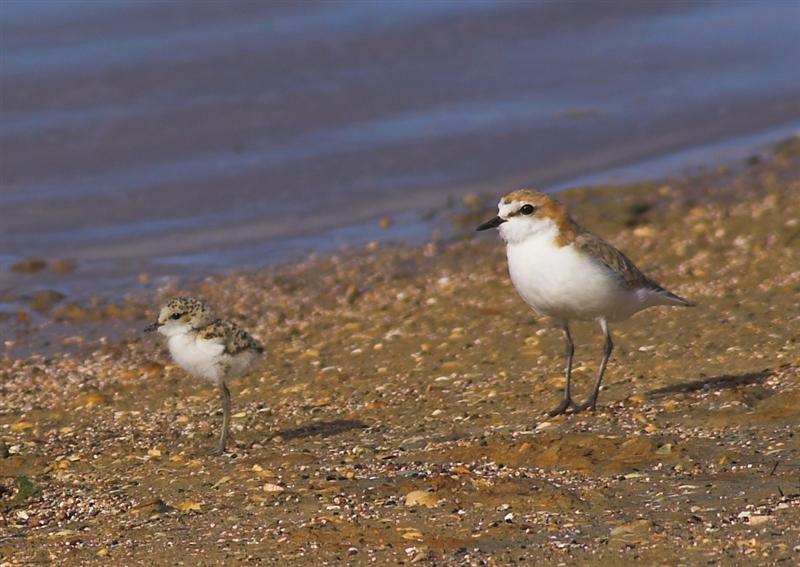
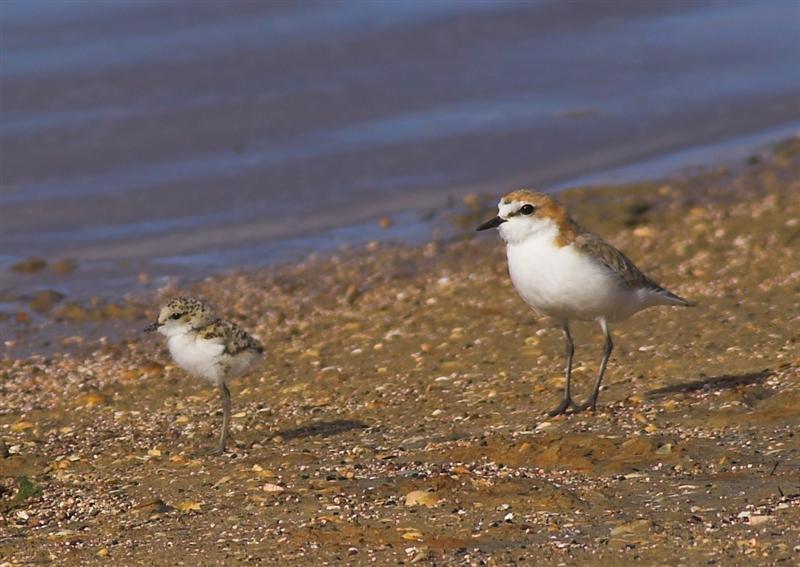
Took the accompanying images this morning in great light and you'll have to indulge me again as I blog them. Surprising number of Red-capped Plovers at Pipeclay Lagoon where these were taken. As you can see from the female with a runner, there are still some breeding. From my experience they have a long breeding season, starting in August and ranging sometimes into late March.

Double-banded Plover

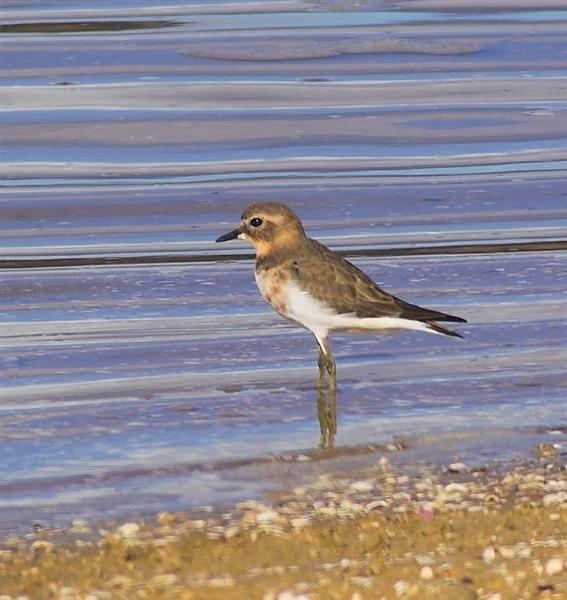
It's that time of year when the Double-banded Plover put in an appearance. A trans Tasman migrant, it can be found around the state, on the coast and inland. Usually in discrete flocks, this photo shows one of two seen at Pipeclay Lagoon this morning, not sure whether to flock with the Red-caps or the stint.

Pelagic Trip

Bill W. writes: Had a trip on the "Pauletta" with Phillip Maher at the weekend out of Eaglehawk Neck. Species seen included the following: 5 Black-browed Albatross, c10 Buller's Albatross, 1 Northern Royal Albatross, 1 Southern Royal Albatross, c50 Shy Albatross, 5 Wandering Albatross, 6 Yellow-nosed Albatross, 1 Southern Giant Petrel. Petrel species included, White-chinned, Cape, Grey, White-faced Storm, Wilson's Storm, Grey-backed Storm. Short-tailed Shearwater and a solitary Sooty. 2 Great Skuas and a single Pomarine. 1 Mako Shark (he doesn't add any details! ed.)

Monday, February 13, 2006

Diminishing Knot

I made a trip down to Marion Bay at the weekend and took the accompanying photo of a solitary Knot among around 70 Bar-tailed Godwit. Although I haven't regularly watched waders in recent times, there is obviously a decline in some migratory species, notably Eastern Curlew. Knot too seem to be a bit thin on the ground these days, although they've never been that numerous in the South of the state. I counted 10 Hooded Plover here too, although only one was a juvenile. Other notables were a beach-washed Fluttering Shearwater and a Fairy Prion.

Sightings--Waterworks, Hobart.

Felix Wilson comments: Just a couple of sightings that may be of interest. An Australasian Grebe at the top reservoir. 2 Hoary-headed Grebe (1 adult, 1 chick) at the lower reservoir.
I have seen H/h Grebe here before, but not the Australasian. I understand they are expanding their range in South Eastern Tasmania.

Sunday, February 12, 2006

Puffer Fish

I noted today at Marion Bay a small number of dead Kelp Gulls and one dying. While probably not connected (except in my mind!), I also noted a number, maybe 10, Puffer Fish dead, which I assumed were discarded from fishing nets. However, I later photographed the live one seen here, apparently in good health. I'm fairly certain that they are poisonous to eat, at least to humans (I think it is possible to eat them but you have to know how to prepare them). Does anyone know if they're toxic to birds? I suspect the two 'events' are coincidental.

Before anyone points it out, the juvenile gull with a dead Puffer Fish is a Pacific Gull!

Banded Pied Oystercatcher

Anyone know whether this combination is a Victorian Wader Study bird? Appears to be Green over white (left leg ) and triple yellow on right ? I seem to recall reading about these birds being banded in Victoria. Photographed at Marion Bay this am, in a flock of about 70 others.